UDIP-4 Takes Flight
UD Students Launch Experiement into Space
3…2…1…0… As the countdown struck 0, and not a moment later, the two-stage sounding rocket delivered the University of Delaware Ionospheric Probe 4 (UDIP-4) experiment to space. Launched out of NASA Wallops Flight Facility near Chincoteague, Virginia on June 20, 2024, this rocket provided students from across the country with an opportunity to collect data in space. University of Delaware students designed a Langmuir probe, a type of scientific instrument, to make measurements of the Earth’s ionosphere. UDIP-4 was a successful test flight for the upcoming orbital mission from Delaware called DAPPEr: the Delaware Atmospheric Plasma Probe Experiment. The DAPPEr team used this fourth iteration of UDIP to prepare to take Delaware’s scientific and educational efforts to the next level (see link for our article on the previous UDIP mission).
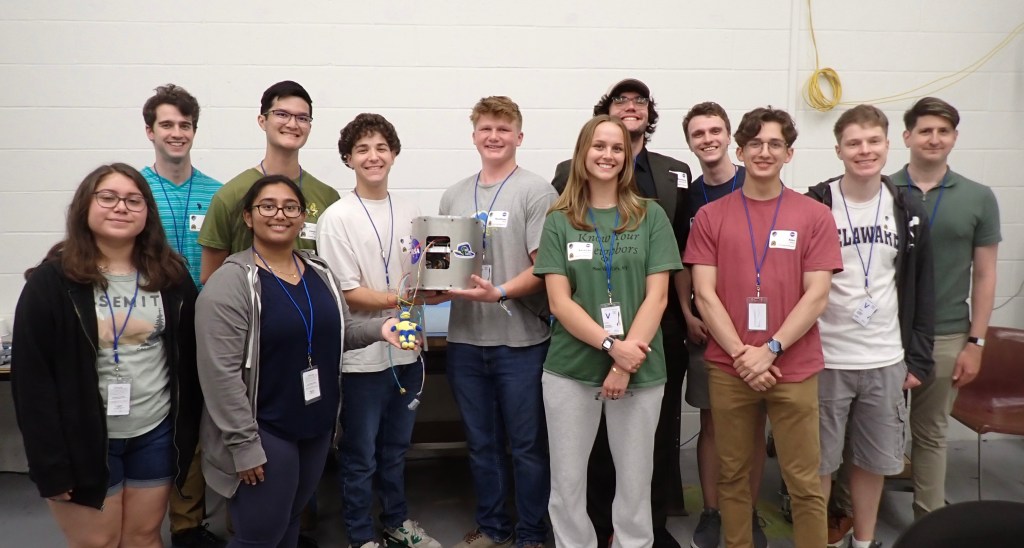
Before the Launch
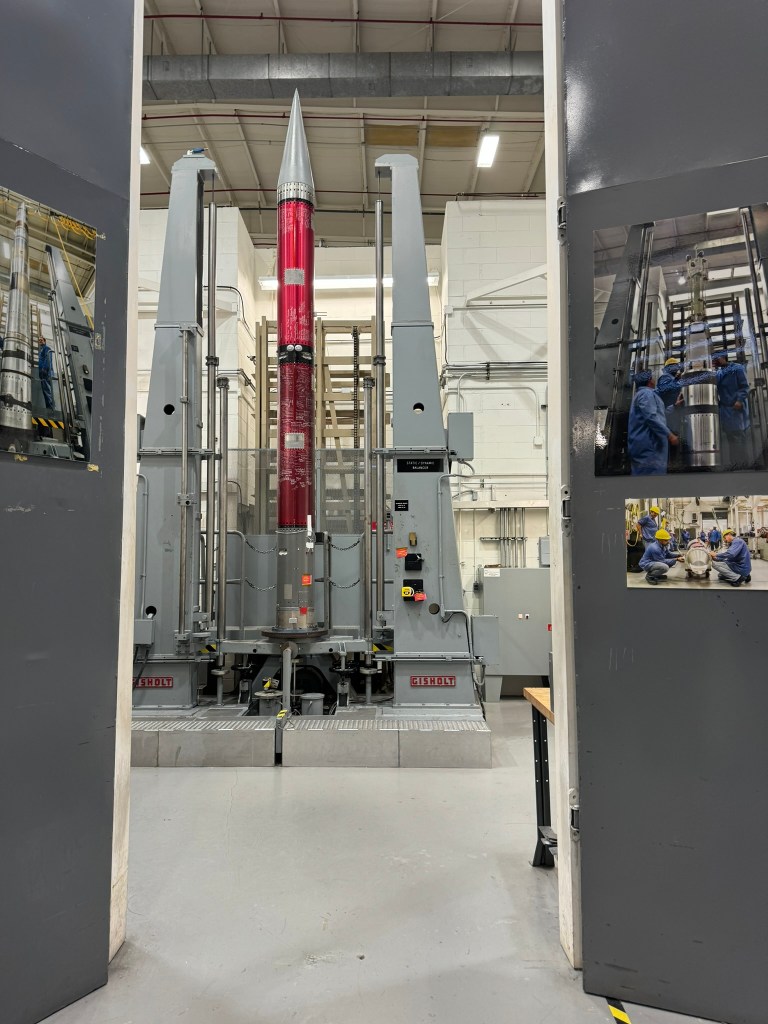
The team traveled to Chincoteague, Virginia one week before launch to participate in the integration of the experiments into the rocket. While staying on the island and beach provided a relaxing environment after a year of hard work, the team still had tasks to complete and many professional development opportunities at Wallops. The first couple days involved double checking the experiment, handing it over to NASA engineers so that they could integrate it into the rocket, and observing the spin and vibration tests. Spin and vibration tests can be nerve wracking for teams as they wait to see if their experiments have suffered any loose nuts or bolts. Fortunately, UDIP-4 had no issues with vibration and spin testing, and after some minor fixes to other teams’ loose hardware, everyone was cleared for flight.
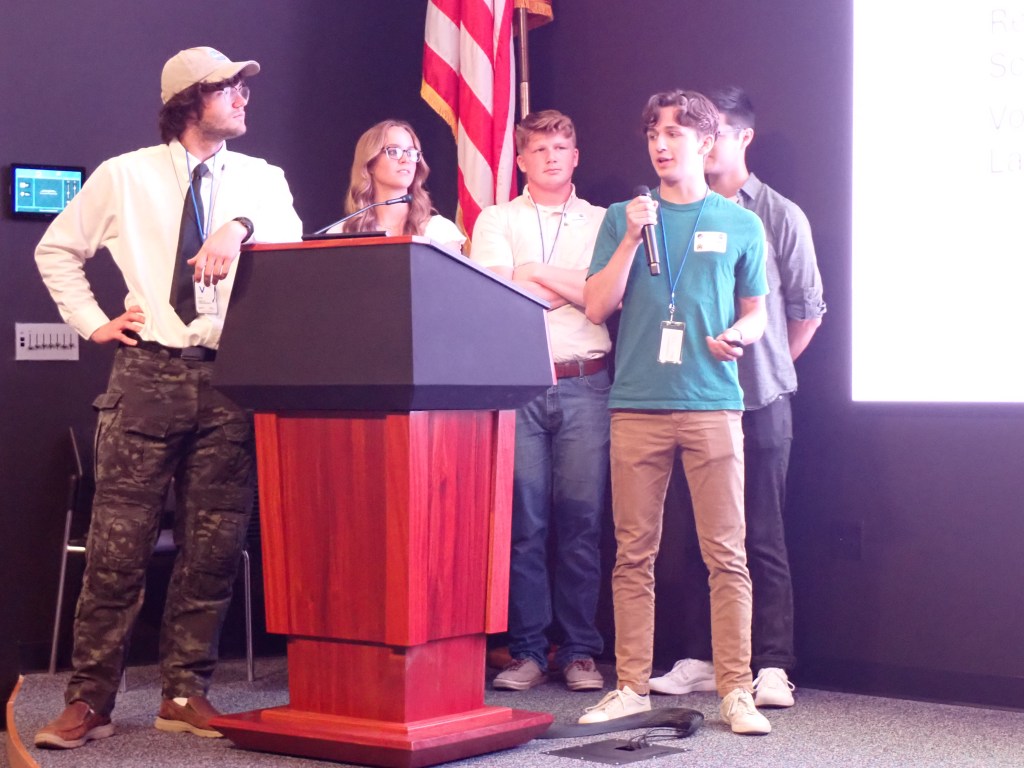
Once the rocket was ready for flight, the following week consisted of tours and presentations. While being led through the base, teams learned about the types of missions Wallops supports. Each team gave a short presentation on their respective experiment. UDIP-4 students Timothy “TJ” Tomaszewski, Amanda Swenson, Matthew Ward, and Alex Bruce were heavily involved in the development of the sounding rocket mission, so each talked for a few minutes on their subsystem. Jonathan Rosado stepped in for Connor McCleery during the mechanical portions of the presentation.
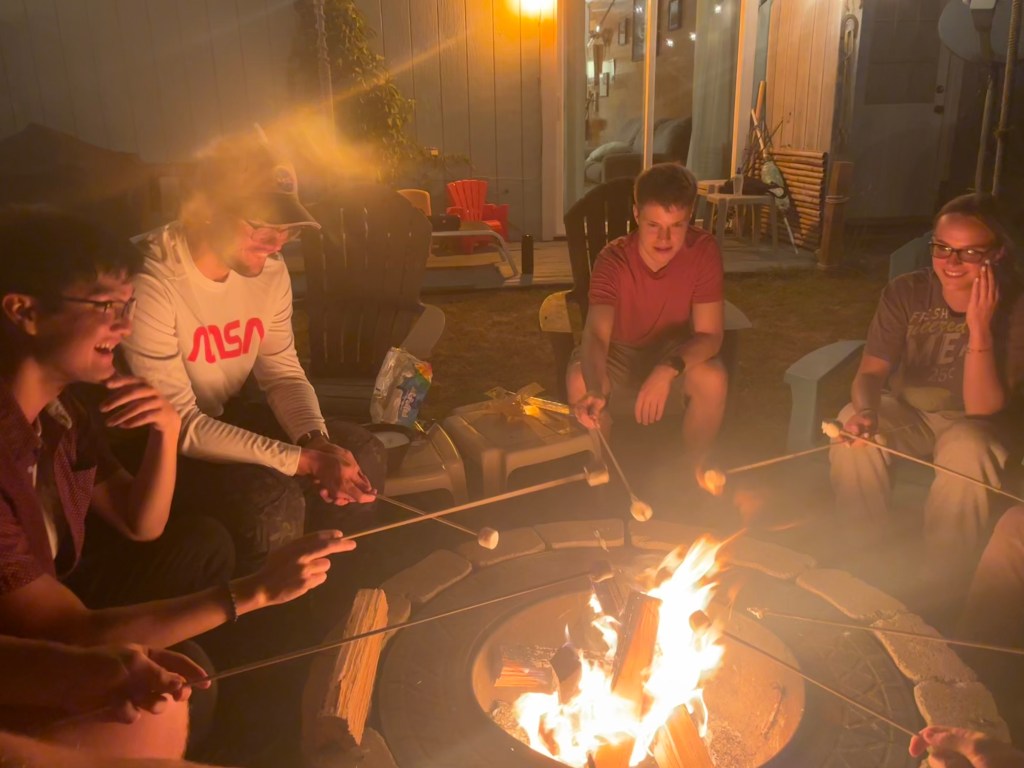
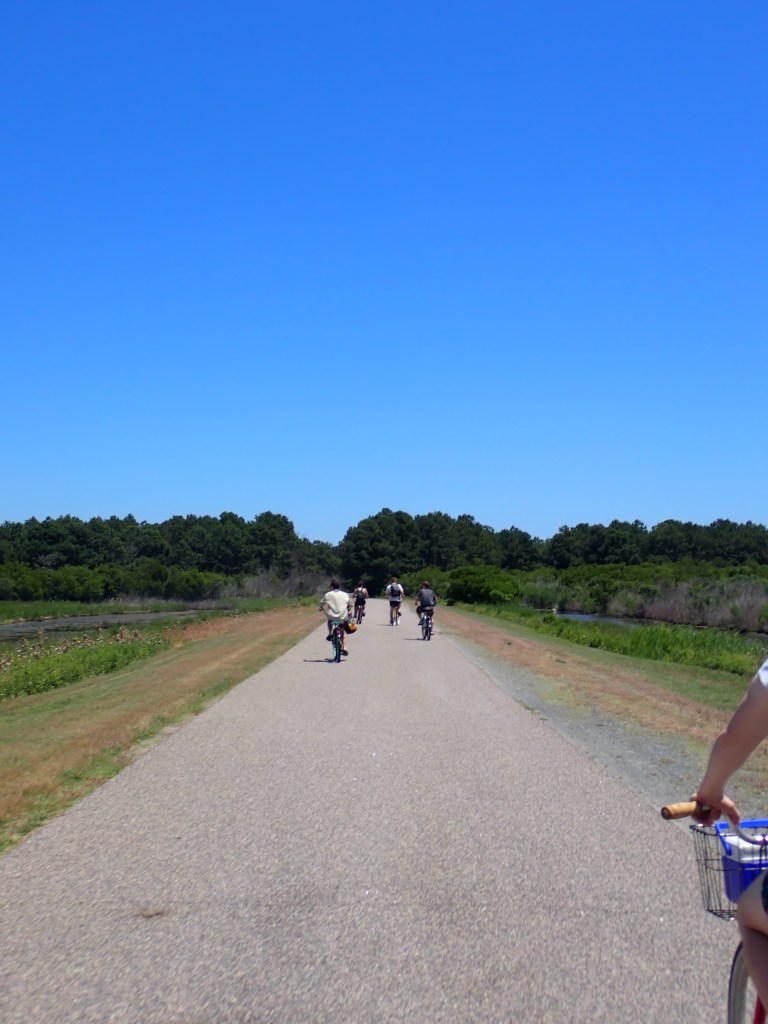
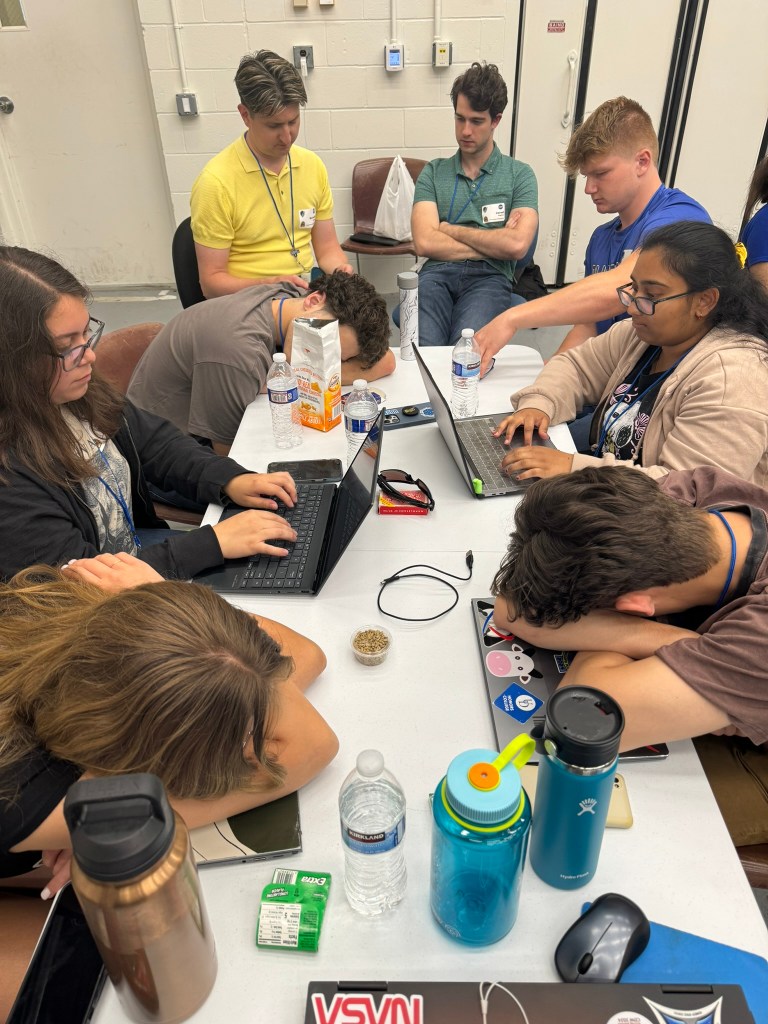
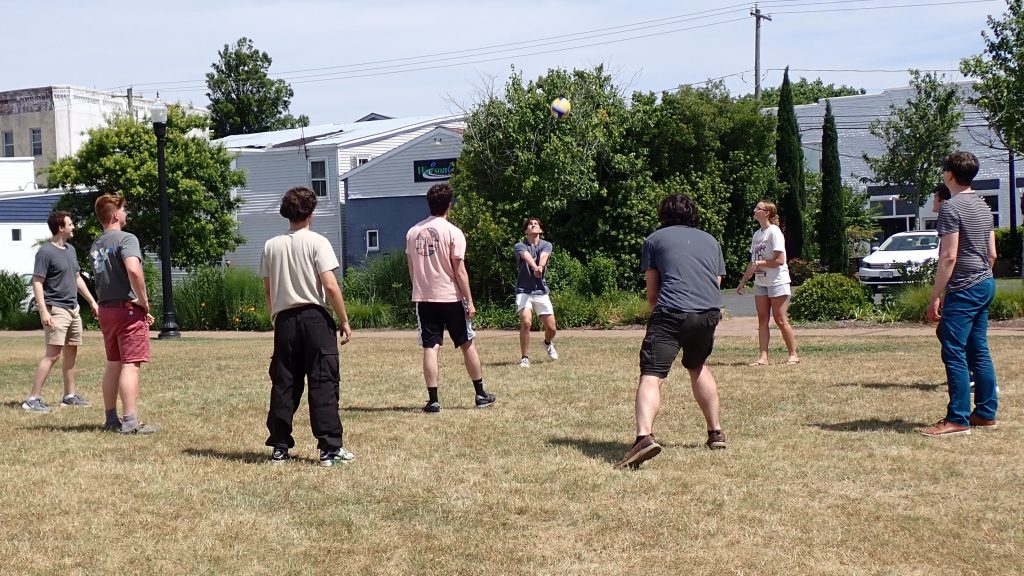
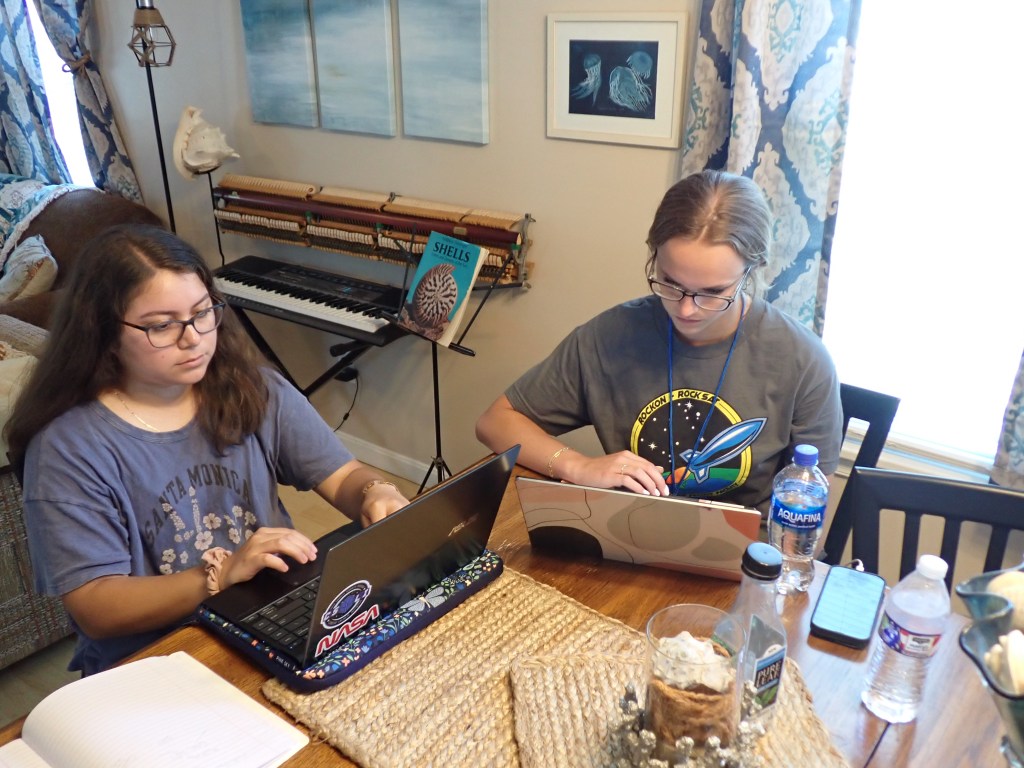
Intermixed with work was time for relaxation, fun, and team bonding. Beach trips, big dinners, card games, campfires, kayaking, and lots of biking outlined the week’s activities. Split between the “big house” and “little house,” the 10 students from the University of Delaware kept each other entertained during the week with food, games, and lots of s’mores. At the end of the week, after the launch, there was a celebratory dinner for all of the teams on the rocket. The room was packed not only with great food but also a collective excitement for the successful launch. Afterward, an obligatory trip to Mr. Whippy’s for soft serve was made to get the full experience of Chincoteague Island.
The Launch
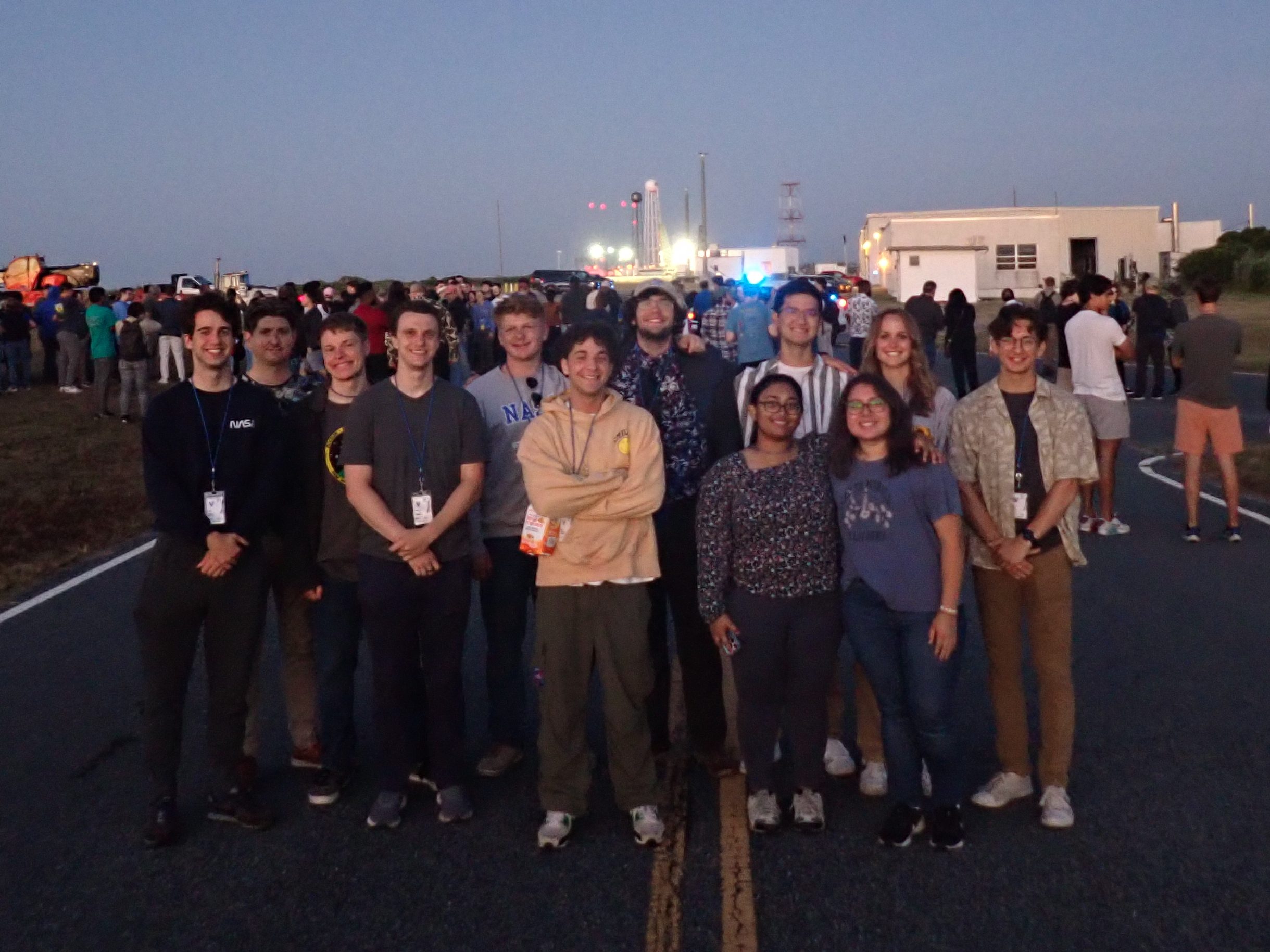
Now what everyone is waiting for: what happened after the countdown reached 0? Well, actually, a little happened before that. About 60 seconds before 0, (a.k.a. t-60), power was turned on to the experiment, and the flight computer began making regular measurements of its sensors. When it detected the spike in acceleration caused by the launch, it started a counter of its own. This internal counter was used to determine when to make measurements of the ionosphere; it takes about 60 seconds to reach the lower altitude threshold of the ionosphere, so the Langmuir Probe starts taking measurements at 50 seconds after launch. After 400 seconds, the rocket was out of the ionosphere, so only sensor measurements were made.
The stages of the flight profile can be seen through the acceleration data: the rocket sitting on the launch pad, the ignition of the first stage, the drag forces on the rocket, the ignition of the second stage, and the freefall before the rocket deployed its parachute and landed in the ocean. Even the rocket being picked up and transported beach to Wallops can be seen in the data. This data was collected by UDIP-4 during flight (and after), but what the science team was eager to see were the Langmuir probe data in the form of I-V curves. Current (I) versus Voltage (V) curves show the characteristics of the plasma, such as temperature and density. UDIP-4 collected many I-V curves and the initial look through shows a successful electronic, mechanical, and software mission.
 Delaware Space Observation Center
Leave a comment